A specialty that cannot be shortcut
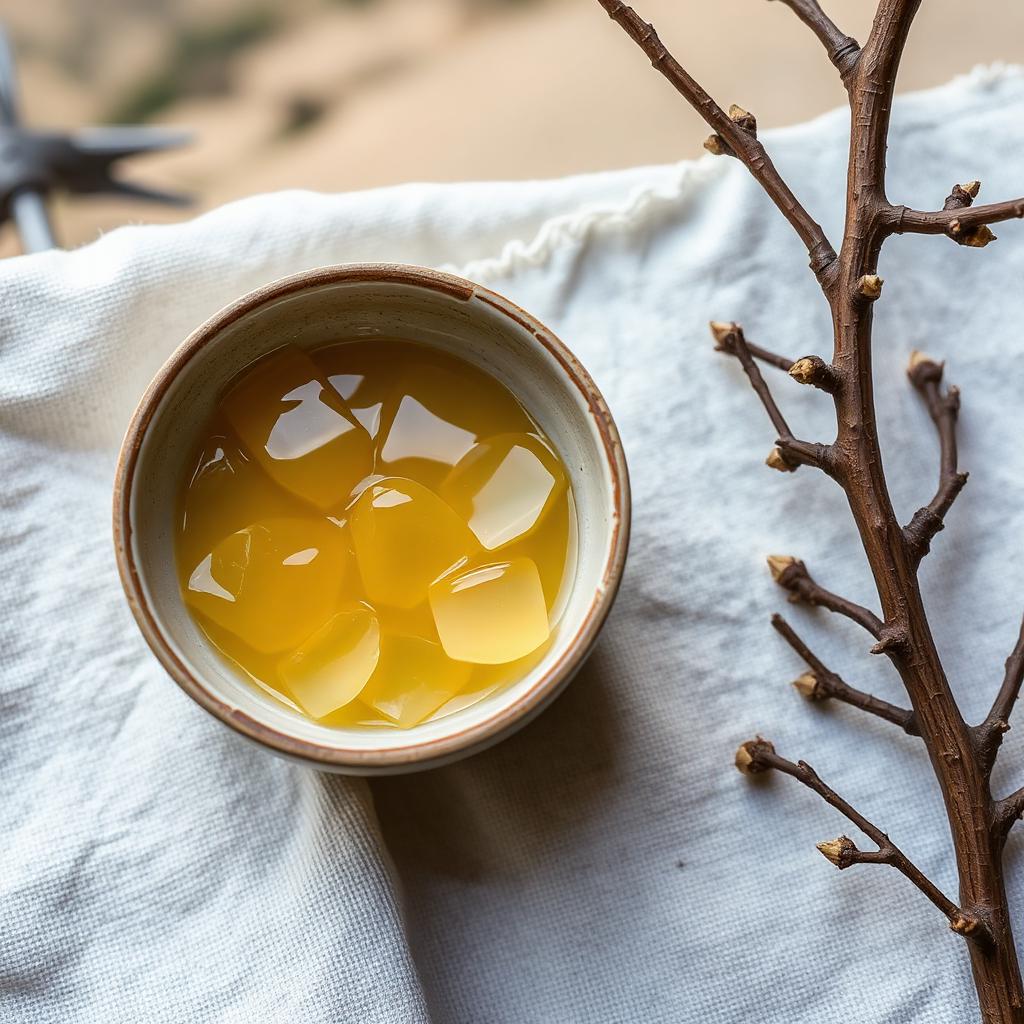
Mastiha is produced only in the southern villages of Chios, from mastic trees tapped by hand across the summer. The cultivation, the harvest and the commercialisation are managed by a single island cooperative that has protected this system for generations.
There is no way around that structure and there should not be. Any importer serious about Mastiha has to accept the reality that supply is finite, seasonal and organised. The alternative is a look-alike product, and buyers who care about origin will notice.
How we work inside the system
The starting point is the cooperative itself. Our role is to represent the international buyer respectfully, understand the year's harvest volume, and place orders inside the discipline the cooperative operates under. We do not try to negotiate around it.
Grade selection matters. Mastiha is sorted by size and clarity, and each grade has a use case, from confectionery to distillation to fine dining. We help the buyer pick the grades that actually match their end use rather than the grades their marketing suggests.
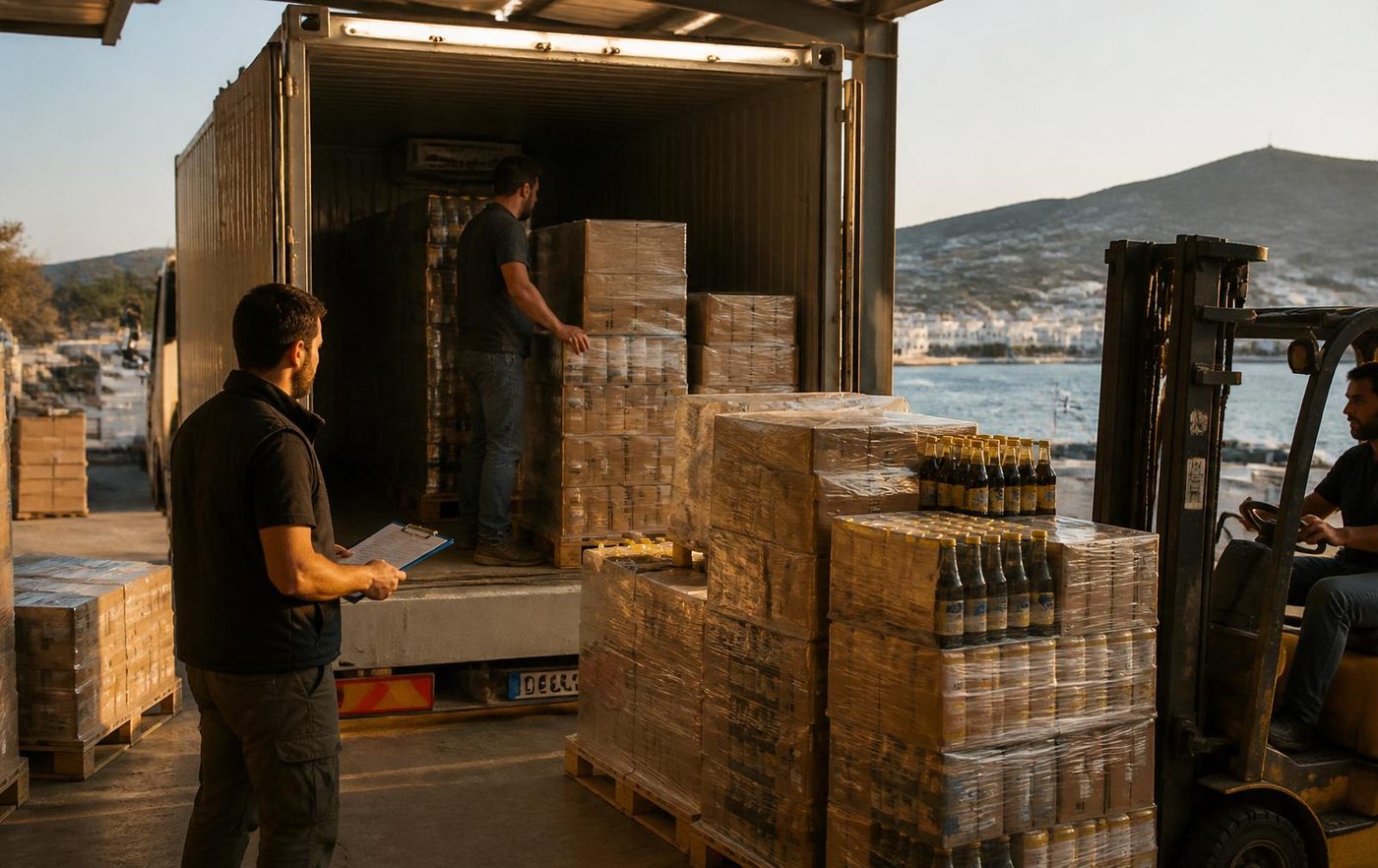
PDO documentation, batch coding and export paperwork all follow the cooperative's rules. We package this coherently for the buyer's customs and quality teams so nothing gets lost in translation.
The last piece is narrative. Mastiha rewards a buyer who can tell its story properly at retail. We prepare a producer profile the buyer's marketing team can actually use, sourced from the cooperative rather than invented.
Why regional specialties need a local partner
Products like Mastiha of Chios are exactly the goods international buyers most want, and exactly the ones hardest to buy well from abroad. The system is not designed to be navigated by an outsider on a two-day visit.
theGreex acts as the standing partner between the cooperative and the buyer, year after year. That continuity is why the buyer keeps their listing intact when others struggle to get consistent supply.